
A buying guide for UK buyers |by SUNseekers
Have you ever noticed something about Roman settlements?
They’re almost never in random places.
They sit on sound locations. Quietly strategic. Close enough to water. High enough for safety and air. Oriented for light. Positioned for a life that works, not just a life that looks good.
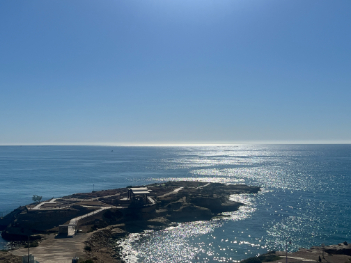
Two thousand years ago, a Roman architect didn’t view a plot. He read it.
Arrived early, when the air was cool and honest. Watched the sun climb and noticed where the shadows lingered. Listened for wind. Not the dramatic gusts, but the daily breeze that returns like a habit.Looked for water: where it gathers, where it drains, what it does to heat, foundations, and comfort.
The Romans understood something that modern buyers, especially when buying property in Costa Blanca from afar, often forget:
A home isn’t a pretty object placed on land. A home is a negotiation with the land.
What Roman Architects Knew About Site Selection (And Wrote Down)
Vitruvius, the Roman architect and engineer, documented the logic in De Architectura around 15 BC. It reads like a love letter to common sense. And it is surprisingly relevant to anyone thinking of buying a Costa Blanca villa today.
1 — Orientation: the sun is more than a tan
Romans didn’t chase a view at any cost. They chased a life that worked.
Living spaces were positioned to welcome winter sun and avoid the worst of summer heat. Bedrooms were kept cooler. Kitchens placed to catch morning light and let heat escape.
In Mediterranean climates, orientation isn’t aesthetic. Comfort. Energy. It’s whether you’ll actually enjoy August.
2 — Ventilation: a house must breathe
Roman homes used courtyards and columned peristyles to create cross-breezes. Air moved through the house on purpose. Still air becomes heavy. Hot. Unforgiving.
A good home breathes. And yes; Courtyards at the heart. Not as decoration, but as a climate decision.
3 — Water: the quiet technology
The atrium wasn’t just beautiful. It was clever.
Rain fell through an opening, collected in a shallow pool, and cooled the surrounding rooms through evaporation and airflow. Passive climate control, designed long before anyone sold a ‘luxury’ air-conditioning unit.
Water wasn’t a feature. It was strategy. And there’s another thing: the sound of water dropping doesn’t just cool the air. It slows you down. Lowers your heart rate. It makes rainy days feel homely.
4 — Access and position: the landscape is part of the plan
Villas were placed with intention: elevated enough for safety and views, close enough to roads and water, aligned with prevailing winds.
The Romans didn’t buy land because it looked good in the afternoon. They bought land because it made sense in real life. And because there was no room for a mistake.
Fast Forward 2,000 Years: The Costa Blanca Property Trap
Now picture the modern version.
You arrive in Costa Blanca for a week. The light is blinding when you step off the plane. Flattering, cinematic. The sea smells like possibility. Someone shows you a white villa with blue shutters. A terrace. A view. There’s that feeling, the one that says:
“This is it. This is the life I want.”
And you decide.
Not by studying the plot. Not by understanding orientation, wind, drainage, legal constraints, buildability, or the true cost of renovation.
Emotion is not the enemy. But emotion needs a chaperone.
By emotion.
The real cost of skipping property due diligence in Spain
This is where the surprises arrive. Quietly, later, when you’re already attached:
- The charming north-facing bedroom is freezing in winter
- The open-plan living room becomes an oven in July
- The ‘sea view’ comes with a coastal restriction you didn’t see coming
- The ‘small renovation’ turns into a structural project
- The paperwork reveals the plot is only partially buildable
- The nearby ‘river’ is a seasonal stream …that floods
These aren’t rare stories. They’re what happens when a purchase is guided by a holiday mood instead of evidence.
UK buyers face an extra layer of complexity: distance, language, unfamiliar legal systems, and a genuine inability to visit a property multiple times before committing. The emotional pull is stronger because the stakes feel higher. And the information gap is real.
The SUNseekers Approach: Roman Calm, Modern Tools
You don’t need more inspiration. You definitely don’t need another late-night property portal spiral. Nor Pinteret.
But clarity.
SUNseekers, do what the Romans did , but with better maps, better data, and years of Costa Blanca on-the-ground reality. Read a plot like an architect reads a story. Not in a rush. Not in a single viewing. In phases. With questions. With patience.
Site Analysis: the Roman part
Before you commit to buying a property in Costa Blanca, look at the things that decide whether a home will feel effortless , or exhausting:
- Solar orientation: where the sun really moves, across all seasons
- Wind patterns: the breezes, the noise, the microclimate you’ll actually live inside
- Water and drainage: groundwater, runoff, flooding risk — what the land does when it rains
- Legal buildability: what you can actually do, not what you hope to do
- Structure and condition: the bones, not the cosmetics
- Hidden costs: permits, easements, utilities, access rights — the expensive surprises that arrive later
Feel the land. Check the paperwork. Translate local complexity into a calm decision.
Then you choose from a place of grounded confidence. Not guesswork.
The Real Luxury: Living Well in Your Costa Blanca Home
A Roman villa was designed to be lived in well. Cool in summer. Warm in winter. Air that moves. Water that softens heat. Light that arrives where you need it.
It wasn’t accidental. It was the result of attention.
If you’re buying property in Costa Blanca, the same attention matters. Not obsession with the idea of Spain. Obsession with the reality of your specific plot, your specific home, your specific life there.
Romans enjoyed their summer villas.
You should too.
Ready to Buy Property in Costa Blanca? Start With Clarity
If you’ve found a property and you feel that pul, that this could be it feeling , keep it.
Just don’t let it drive alone.
The Romans would have paused. Studied. Asked hard questions.
You can do the same.
Site Analysis gives you the information you need before you commit: orientation, water, access, legal status, building potential, renovation reality, long-term livability.
| You keep the emotion. But you also get the clarity. And that’s when the dream stops being a gamble. Not ready yet? Take the 3-minute quiz and map your route to Costa Blanca. |
Raquel
P.S. The Romans didn’t do this alone. They consulted architects, engineers and legal minds. If you’re buying from the UK, at distance, you deserve the same circle of protection. About SUNseekers
FAQ
Q: What do I need to know before buying property in Costa Blanca?
Before buying in Costa Blanca, UK buyers should understand orientation and sun exposure, local drainage and flood risk, legal buildability of the plot, coastal restrictions if applicable, and the full cost of renovation versus purchase price. A professional site analysis before committing is strongly recommended.
Q: Is buying property in Spain as a UK buyer still possible after Brexit?
Yes. UK nationals can still buy property in Spain after Brexit. The main changes affect residency rights, not ownership. You can purchase, own, and rent property in Costa Blanca as a UK buyer, though legal and tax obligations have changed. Always use a locally qualified gestor and independent solicitor.
Q: What is a site analysis and why does it matter for Costa Blanca properties?
A site analysis evaluates the physical and legal conditions of a plot or property before you buy: neighborhood, solar orientation, wind and microclimate, drainage and flood risk, access, buildability, and structural condition. In Costa Blanca, many properties have restrictions or conditions that aren’t visible at a viewing. A site analysis surfaces these before you commit.
Q: How do I avoid buying a problem property in Costa Blanca?
The most effective protection is slowing down the process. Avoid making a decision during a single holiday visit. Commission a site analysis from an independent local expert, ), and verify buildability, legal status, and any outstanding debts on the property before signing anything.
Q: What is the role of orientation when buying a Costa Blanca villa?
Orientation determines whether a home is genuinely liveable across all seasons. South-facing terraces and living spaces capture winter sun and benefit from natural warmth in cooler months. North-facing rooms can be cold in winter. In a Mediterranean climate, orientation also affects summer heat load. Badly oriented home can be uncomfortable without heavy air conditioning from June to September.
- Site Analysis for Costa Blanca Properties Here
- Passive House in Spain? Read more
- The 3-Minute Quiz: Map Your Route to Costa Blanca — Only for SUNseekers
- Want to visit? La Illeta dels Banyets